Platform

Unified Trade Record

One shared, CDM-based record to eliminate breaks and automate the trade.

The Unified Trade Record (UTR) is a single, shared representation of a trade that brings together all key data, contractual terms, and lifecycle events in one place. Built on the Common Domain Model, it ensures that every participant sees and works from the same version of the trade, with consistent definitions and structure across systems.


It solves the problem of fragmented post-trade data, where firms rely on multiple systems and formats that often disagree, leading to reconciliation breaks, delays, and operational risk. By creating a common, authoritative record, the UTR removes duplication, improves data quality, and enables straight-through processing.

Automate your lifecycle with CDM-based efficiency

From this point, Tokenovate’s workflows can automate the full post-trade lifecycle.


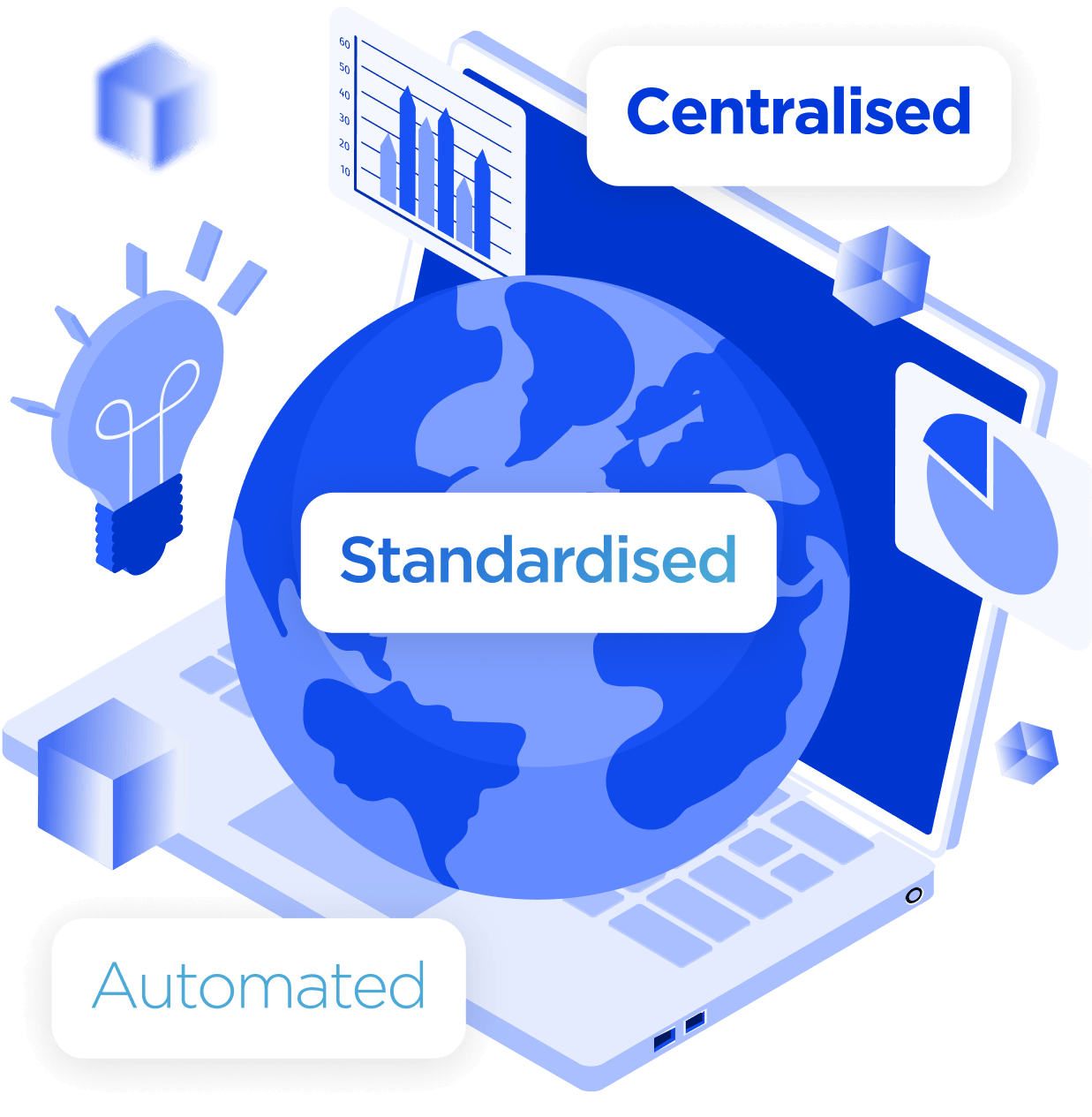
Standardised workflows process events directly from the same data, ensuring every action is consistent and aligned. Because the record is structured using CDM, lifecycle events are interpreted in the same way across counterparties, which removes reconciliation breaks and allows straight-through processing.


Benefits:

  • This unlocks several practical benefits.
  • Firms gain real-time visibility of trade status, a complete audit trail of all changes, and deterministic processing that prevents duplication or mismatch.
  • Settlement can be executed with greater certainty because obligations are clearly defined and validated before execution.
  • It also improves interoperability, as the same record can drive outputs to custodians, market infrastructures, and reporting systems without reformatting or manual intervention.
  • The result is faster lifecycle management, fewer errors, and a clear, auditable view of each trade from execution through to final settlement.

FAQs

Traditional trade records are often fragmented, with each counterparty maintaining their own version of a trade in different formats, leading to frequent reconciliation breaks. The UTR is a single, shared representation of a trade built on the Common Domain Model (CDM). It ensures all participants work from the same authoritative data, contractual terms, and lifecycle events, eliminating the “he-said, she-said” discrepancies in post-trade processing.

Because the UTR uses standardised CDM definitions, every lifecycle event (such as an amendment or settlement) is interpreted identically by all parties. This creates deterministic processing, where the data itself dictates the outcome. By having a pre-validated, consistent record, the need for manual matching is removed, enabling Straight-Through Processing (STP) across different systems and counterparties.

Yes. One of the primary benefits of the UTR is improved interoperability. Since the record is structured and standardised, it can drive automated outputs to custodians, regulators, and market infrastructures without the need for manual reformatting. This allows firms to maintain a clear, auditable trail while seamlessly connecting to the broader financial ecosystem.

CONTACT

Book a Meeting

Want to learn more about post-trade automation?
Book a meeting with our team today!

Areas of Interest

CDM

Drive Trade Interoperability Using Our CDM Foundation.

Learn More